

Chakhchoukha
Thin hand-rolled flatbread torn into pieces and soaked in a rich lamb and chickpea sauce. The dish of big family days.
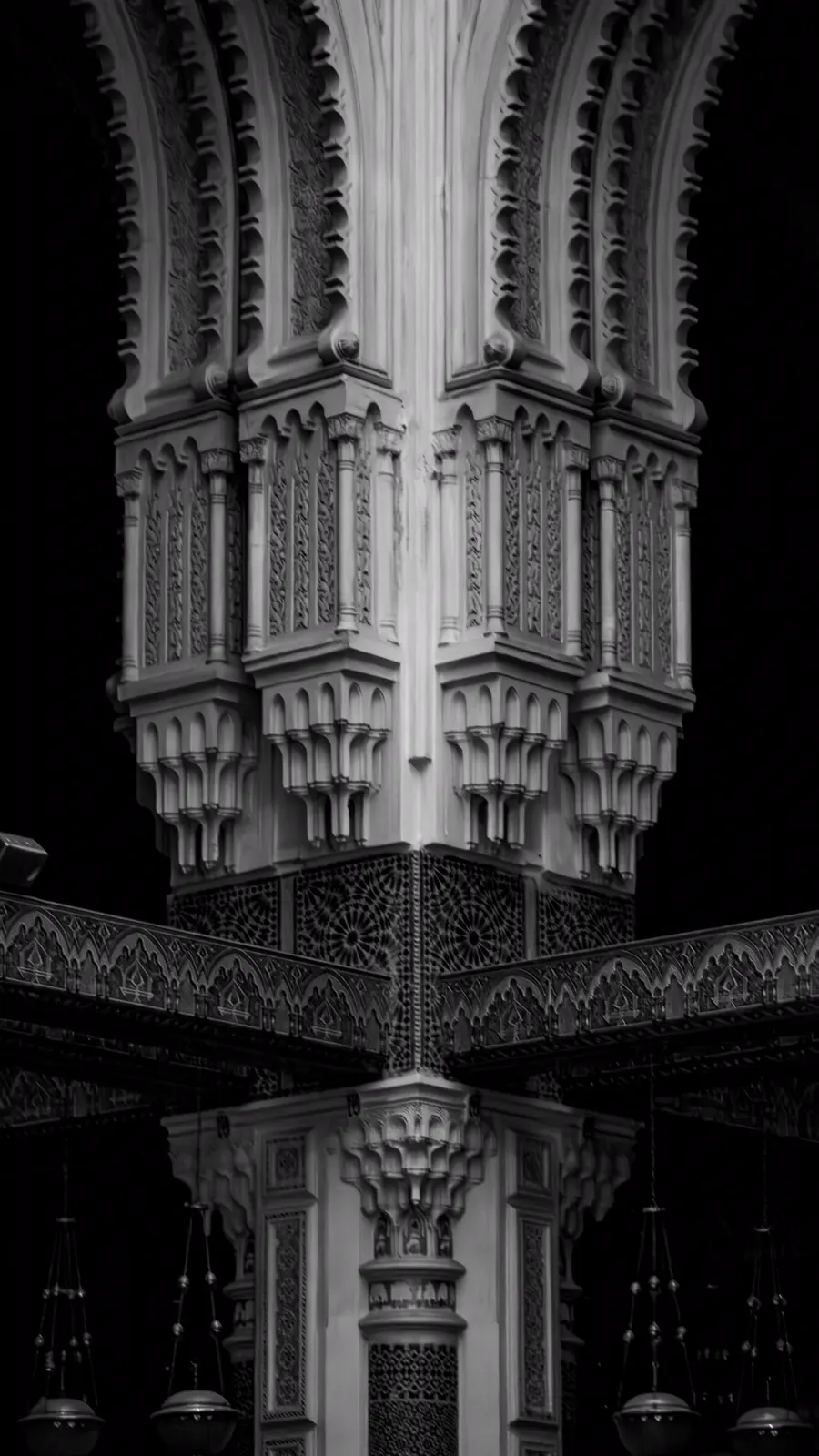
Constantine keeps its heritage alive in its arches, its kitchens and its music. Here is a taste of what you will see, eat and hear.
Islamic geometry and European façades stand side by side. Look up while you walk: the details are everywhere.
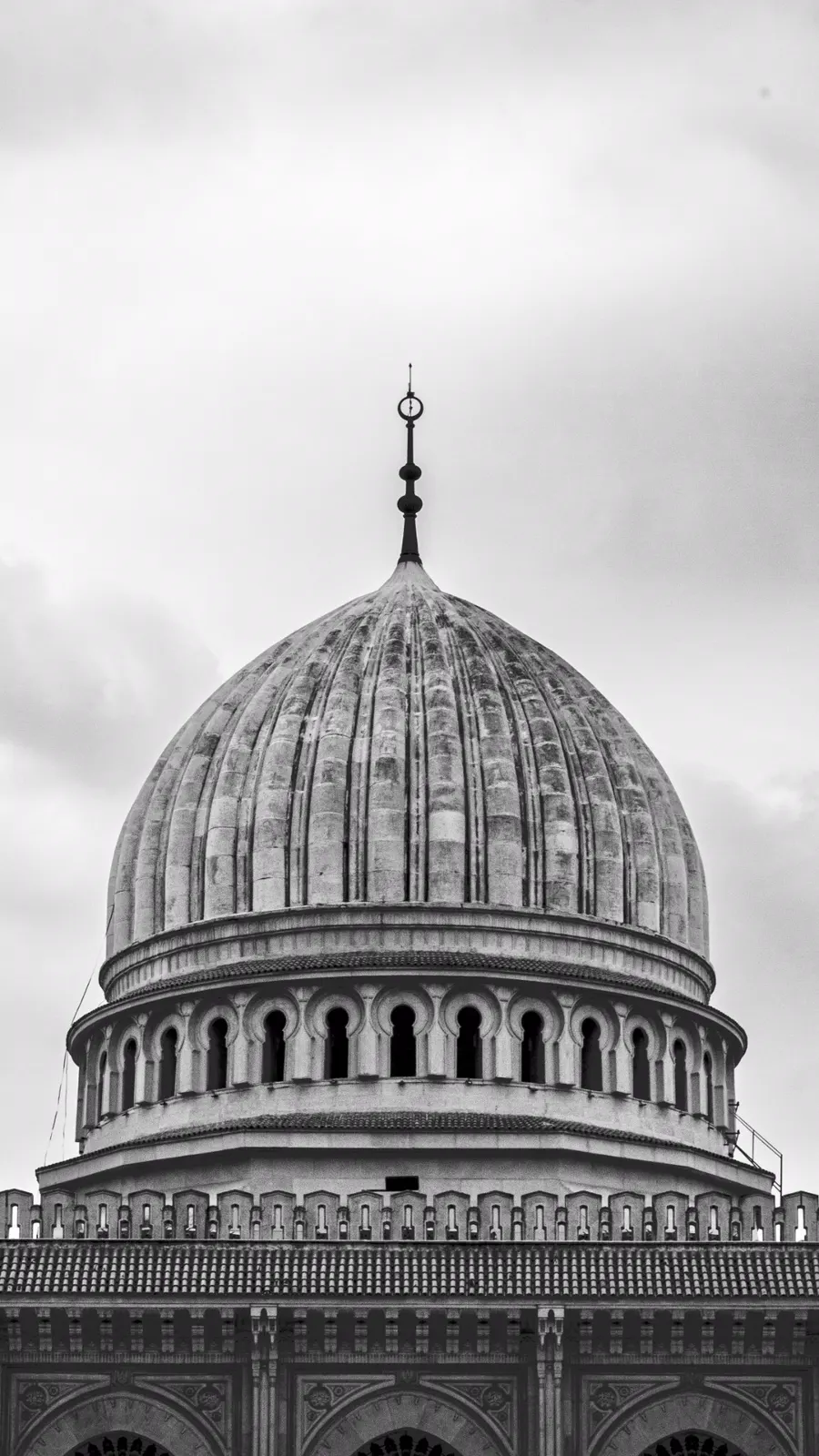
The Emir Abdelkader Mosque, opened in 1994, is one of the largest in Africa.
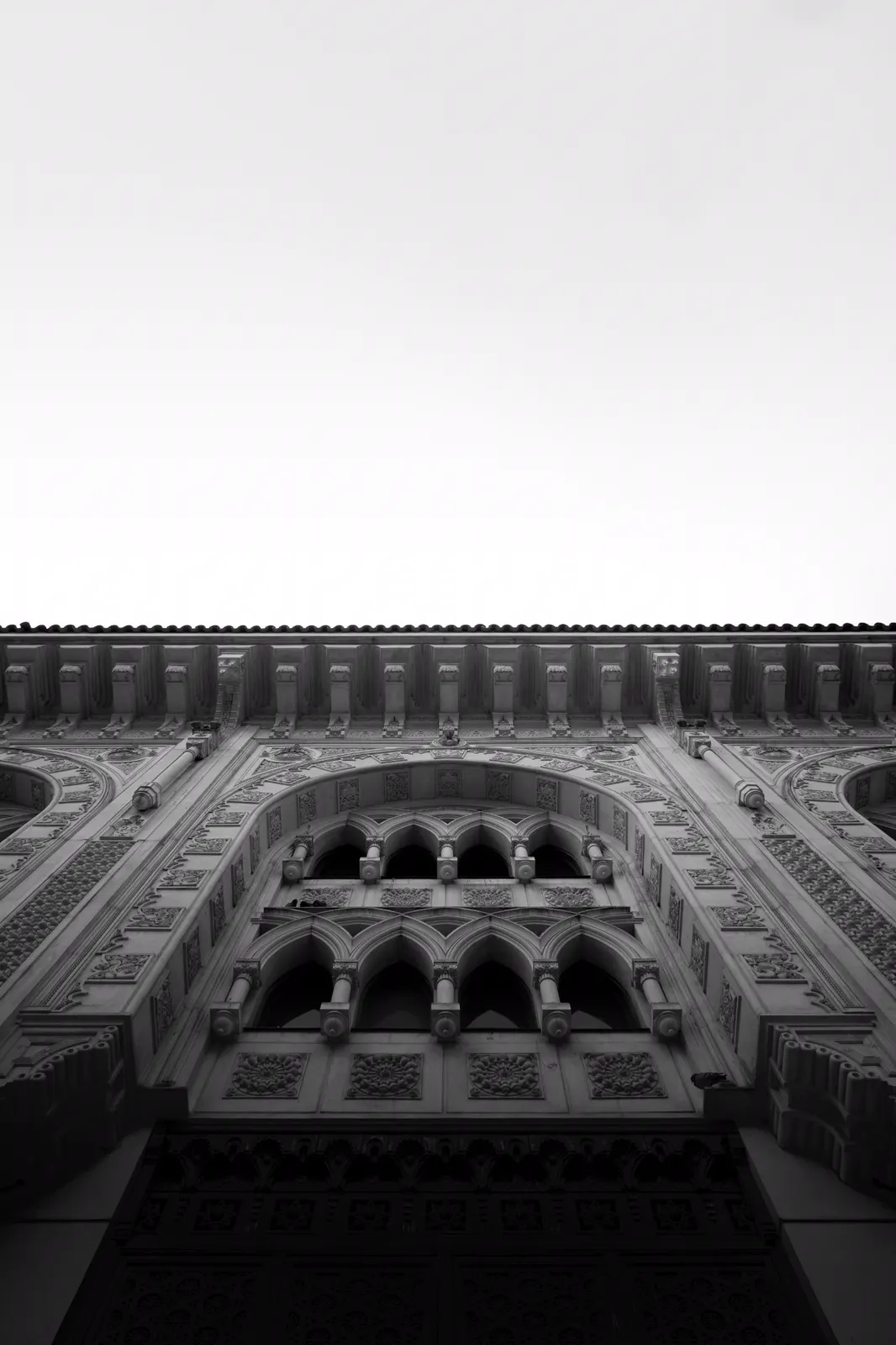
Rows of arches and floral reliefs climbing to the roofline.
Honeycomb vaults and star patterns carved in plaster and stone.
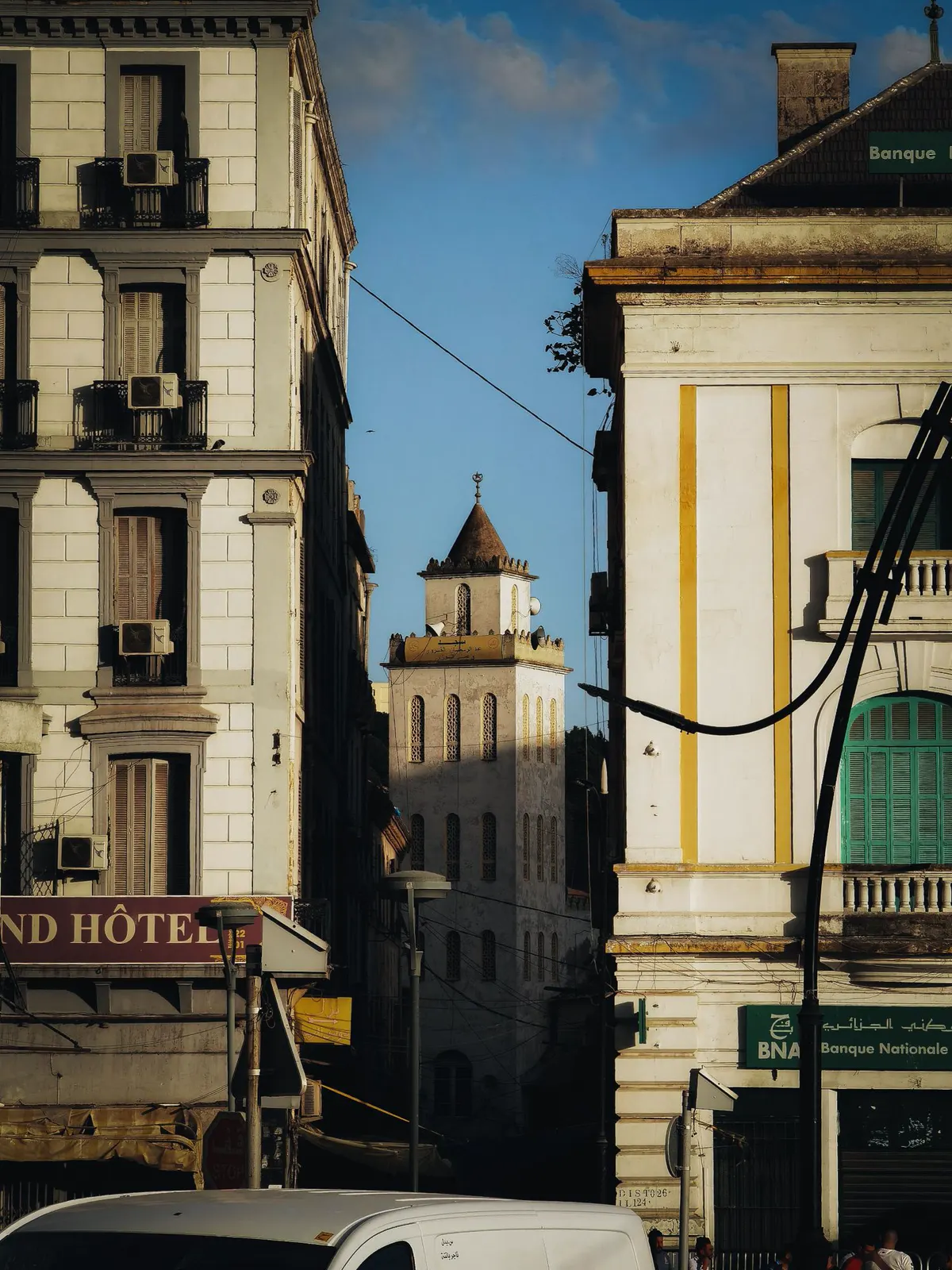
Slender towers rising between the streets of the old town.
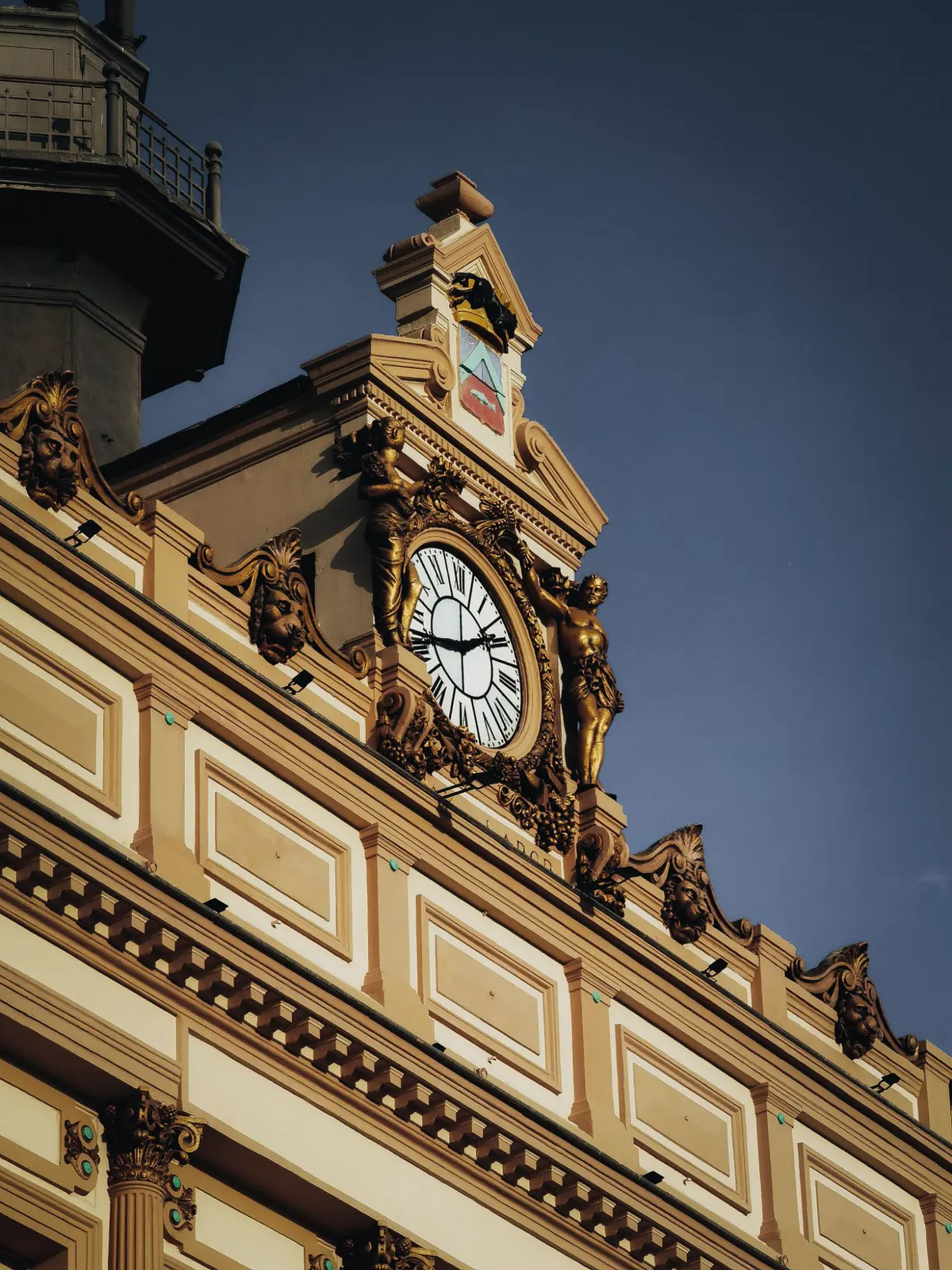
Turn-of-the-century façades decorated with lions, figures and gold.
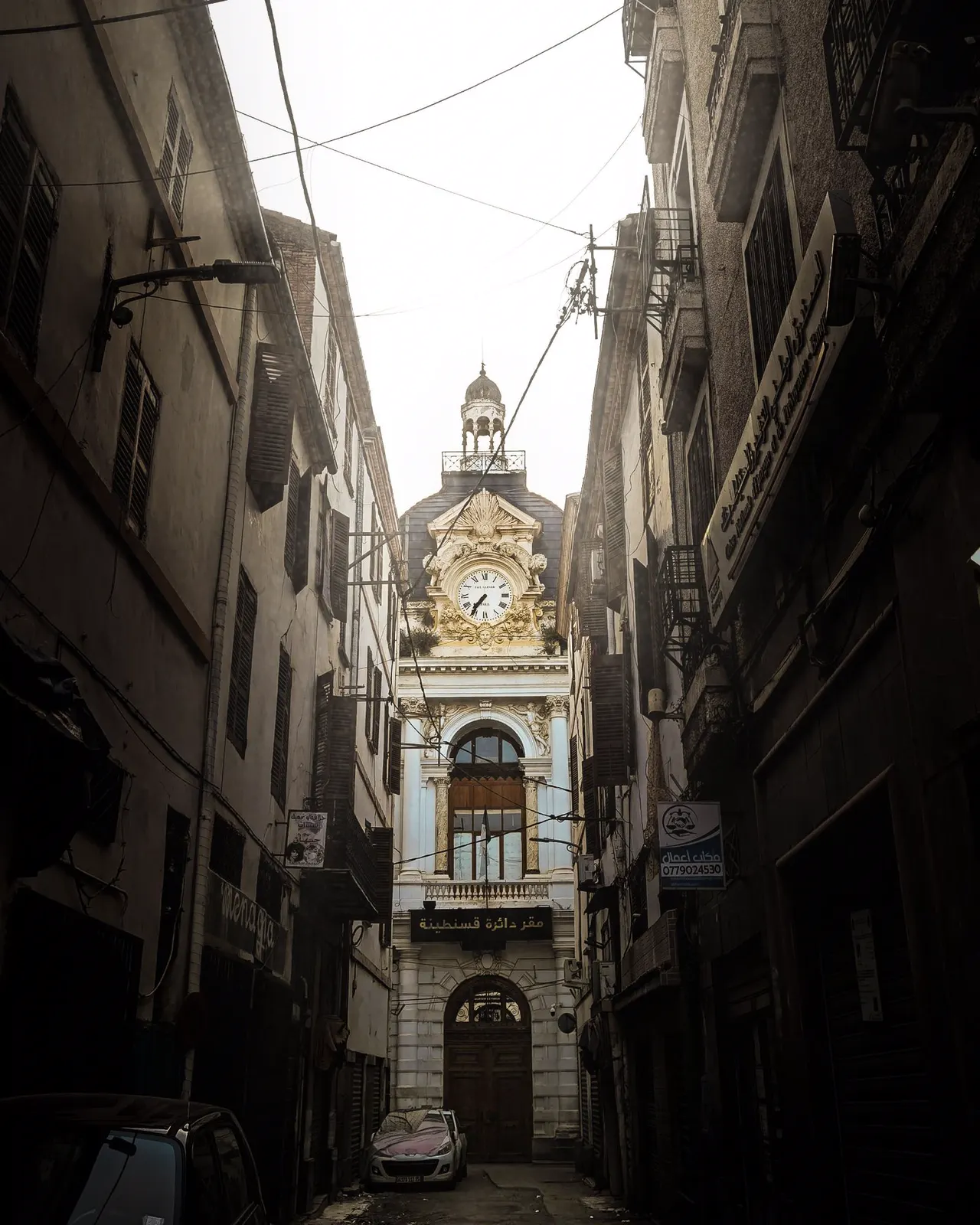
Turn a corner in the old town and a tower appears at the end of the lane.
Constantine's dishes are made slowly, by hand, often for celebrations. These are the ones to look for on your plate.
Thin hand-rolled flatbread torn into pieces and soaked in a rich lamb and chickpea sauce. The dish of big family days.
Tiny squares of hand-made pasta, steamed and served with a red sauce, chicken or lamb. A Constantine signature.
A fragrant soup of green cracked wheat, herbs and meat. In Ramadan, no evening table in the city goes without it.
The sweet tajine: lamb with prunes, apricots, almonds and orange blossom water. Sweet and savoury, as the city likes it.
Craving something sweet? Our jawzia, baklawa and tamina are made in Constantine.
Visit our shop
The Andalusian music of Constantine, brought by families from al-Andalus and kept alive for centuries. You will hear the oud and violin at weddings and in the old cafés.
The ceremonial dress of Constantine, in deep velvet embroidered with gold thread. Brides wear it proudly and each pattern carries a meaning.
The black veil once worn by the women of the East. Local tradition says it began as a sign of mourning for Salah Bey.
Trays, jugs and coffee sets hammered and chiselled by hand. The copper workshops of the old town still ring with the sound of the hammer.